Do I Need a Registered Surveyor for Renovations or Fencing?
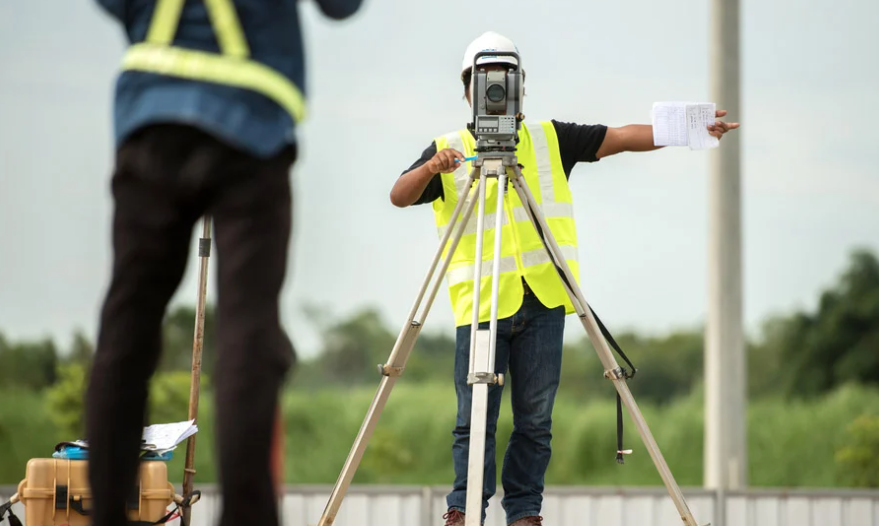
If you are planning renovations or installing a new fence, it is common to wonder whether a registered surveyor is actually required. While some small projects can proceed without surveying, many renovation and fencing works rely on accurate boundary information to stay compliant with council rules and avoid disputes with neighbours. Understanding when a registered surveyor is needed can save time, money, and legal stress later.
What Is a Registered Surveyor?
A registered surveyor is a licensed professional authorised to define and certify legal property boundaries in New South Wales. They are trained to interpret title documents, historical plans, and on-site evidence to determine where boundaries legally sit. Only registered surveyors can produce certified survey plans accepted by councils, courts, and NSW Land Registry Services.
When Renovations Require a Registered Surveyor
Renovations often require a registered surveyor when building work is close to a property boundary or affects setbacks, easements, or neighbouring land. Extensions, garages, granny flats, and additions built near side or rear boundaries typically need accurate boundary identification before construction begins. Councils may also request a certified survey plan as part of a Development Application or Complying Development Certificate. In these cases, working with a registered surveyor ensures boundaries are correctly defined and renovation plans meet legal and council requirements.
See also: How Businesses Can Adapt to Digital Transformation
Do You Need a Surveyor for Fencing?
Fencing is one of the most common causes of boundary disputes. While replacing an existing fence in the same position may not always require a survey, installing a new fence or relocating one often does. Fence lines do not always follow legal boundaries, especially on older properties. A survey helps confirm where the true boundary lies before construction, reducing the risk of encroaching onto neighbouring land or needing to remove and rebuild a fence later.
Common Scenarios Where a Survey Is Recommended
A survey is strongly recommended for older properties where boundary markers may be missing or unclear. Sloping blocks, irregular lot shapes, and properties with shared or retaining walls also benefit from professional boundary identification. If there is any disagreement with a neighbour about where a boundary sits, a registered surveyor provides clarity supported by legally recognised documentation.
Risks of Not Using a Registered Surveyor
Proceeding without a registered surveyor can lead to serious issues. Structures built over a boundary may trigger council compliance notices, legal disputes, or orders to remove completed work. Encroachments can also delay property sales or refinancing and may result in unexpected costs to correct mistakes that could have been avoided early.
What a Registered Surveyor Provides
A registered surveyor identifies and marks property boundaries, prepares certified survey plans, and advises on setbacks, easements, and restrictions affecting your land. Their documentation is legally recognised and can be relied upon for council approvals, construction, and dispute resolution.
Benefits of Engaging a Registered Surveyor Early
Engaging a registered surveyor before renovations or fencing provides certainty before work begins. It helps ensure designs are compliant, reduces the risk of disputes, and supports smoother council approvals. Early surveying also protects long-term property value by ensuring all structures sit within legal boundaries.
Frequently Asked Questions
Is a survey legally required for all fences? Not always, but it is strongly recommended for new fences or where boundaries are unclear. Can I rely on an old fence line? Old fence lines are not always accurate and should not be assumed to mark the legal boundary. Do councils require a survey for renovations? Many councils require a certified survey plan when work is close to boundaries or part of a formal approval process. How long does a boundary survey take? Most residential boundary surveys are completed within one to three days depending on site conditions.
Closing Thoughts
Not all renovations or fencing projects legally require a registered surveyor, but many benefit from one. When work is close to boundaries, involves council approval, or could affect neighbouring land, engaging a registered surveyor early helps prevent costly mistakes. Accurate boundary information provides confidence, compliance, and peace of mind before construction begins.