How Long Does Composite Bonding Last?
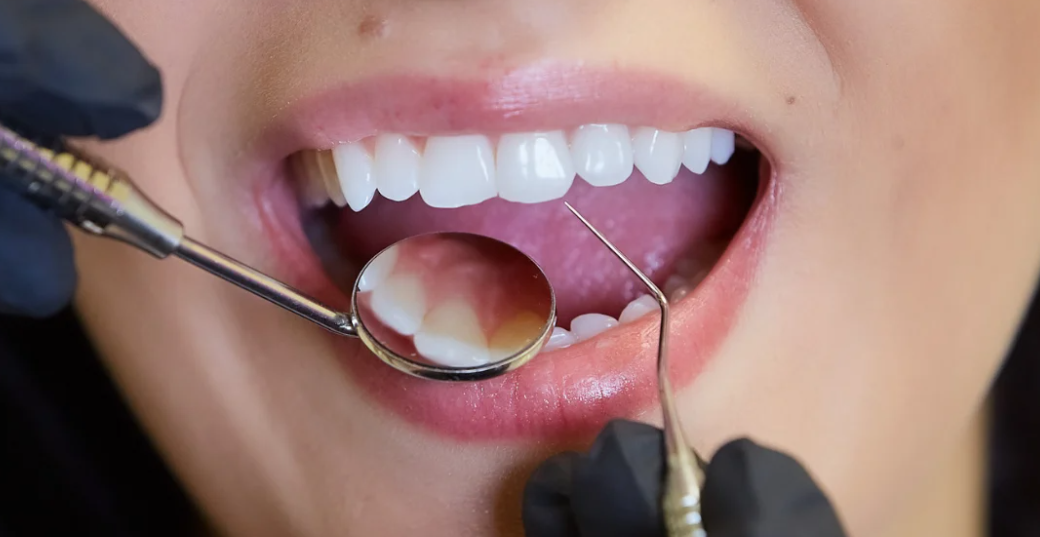
Composite bonding is a popular cosmetic dental treatment because it offers fast, natural-looking results with minimal tooth preparation. One of the most common questions patients ask is how long composite bonding actually lasts. While bonding is not permanent, it can provide many years of improvement when cared for properly.
What Is Composite Bonding?
Composite bonding involves applying a tooth-coloured resin to the surface of a tooth to improve its shape, colour, or overall appearance. The resin is carefully shaped and hardened, then polished to blend seamlessly with surrounding teeth. Bonding is commonly used for chips, small gaps, uneven edges, and discolouration that cannot be corrected with whitening.
See also: How Often Should I Visit a Dentist in Lane Cove for Check-Ups?
Average Lifespan of Composite Bonding
On average, composite bonding lasts between five and ten years. Some patients may enjoy results for longer, while others may need repairs sooner. The lifespan depends on how much pressure the bonded tooth is under, where it is positioned in the mouth, and how well it is maintained day to day.
Factors That Affect How Long Composite Bonding Lasts
Several factors influence how long bonding stays in good condition. Oral hygiene plays a major role, as plaque build-up can weaken the edges of the resin over time. Diet also matters, especially frequent consumption of staining foods and drinks such as coffee, tea, red wine, and dark sauces. Habits like nail biting, chewing ice, or using teeth as tools can cause the resin to chip or crack. Teeth grinding places extra stress on bonded teeth and can shorten their lifespan significantly. The location of the bonded tooth is another key factor, as front teeth used for biting tend to experience more wear. Understanding how composite bonding responds to daily habits helps patients take steps to protect their results.
How Daily Habits Impact Bonding Longevity
Everyday habits have a direct effect on how long bonding lasts. Smoking increases staining and weakens the appearance of the resin over time. Frequent snacking on sugary or acidic foods raises the risk of decay forming around the bonded area. Contact sports without a mouthguard can lead to trauma that damages the resin. Making small adjustments to daily routines can greatly improve the lifespan of bonded teeth.
How to Make Composite Bonding Last Longer
Good oral hygiene is essential for maintaining bonding. Brushing twice a day with fluoride toothpaste and flossing daily helps prevent decay around the bonded tooth. Regular dental check-ups allow early detection of wear or damage. If you grind your teeth at night, wearing a custom night guard can protect both your natural teeth and the bonded resin. Professional polishing during routine visits can also help keep the surface smooth and reduce staining.
Signs Composite Bonding May Need Repair or Replacement
Over time, bonding may show signs that it needs attention. These include small chips, rough or uneven edges, noticeable discolouration, or changes in how your teeth meet when biting. Addressing these issues early often allows for simple repairs rather than full replacement.
Composite Bonding vs Veneers for Longevity
When comparing longevity, porcelain veneers generally last longer than composite bonding, often ten to fifteen years or more. Veneers are more stain-resistant and durable but require more tooth preparation and a higher investment. Composite bonding remains a strong option for minor cosmetic changes or for patients wanting a reversible treatment with lower upfront cost.
Can Composite Bonding Be Repaired or Touched Up?
One of the advantages of bonding is that it is easy to repair. Small chips or worn areas can often be corrected by adding or reshaping resin without removing the entire restoration. Touch-ups are usually quick and can be done during a routine appointment.
Is Composite Bonding a Long-Term Solution?
Composite bonding is a reliable medium-term solution for improving the appearance of teeth. It works best for minor cosmetic concerns and for patients who are willing to maintain good oral habits. For those seeking a more permanent option, other treatments may be worth considering, but bonding remains a practical and flexible choice for many smiles.
Bottom Line
Composite bonding typically lasts between five and ten years, with longevity influenced by oral care, daily habits, and the location of the treated tooth. With proper maintenance and regular dental visits, bonding can remain attractive and functional for many years. A dental consultation can help determine whether bonding is the right option for your goals and how to maximise the lifespan of your results.